
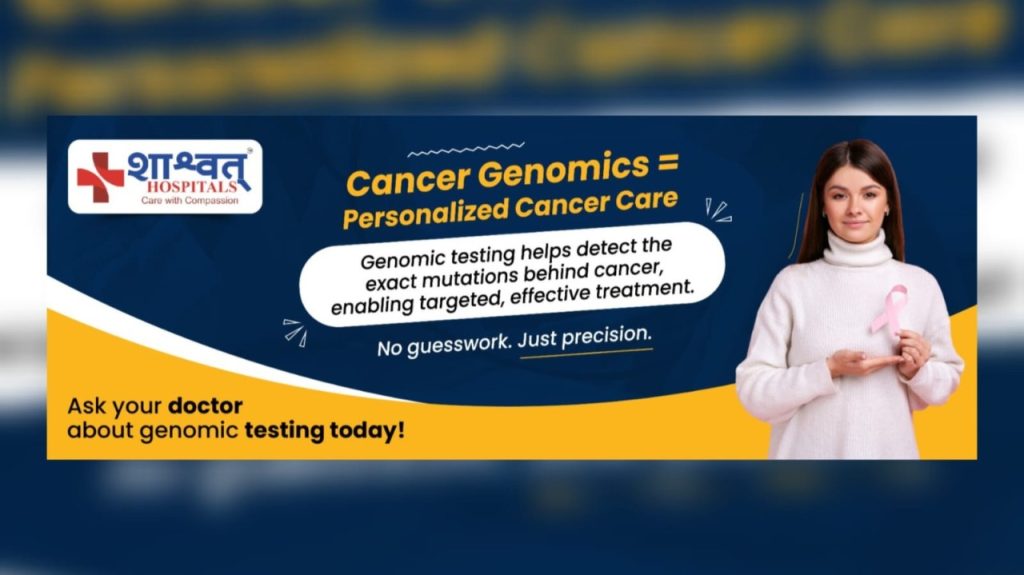
Decoding the Blueprint: Understanding Cancer Genomics
- Cancer isn’t just one disease—it’s driven by changes in our genes. Each tumor has its own unique set of genetic mutations that cause it to grow, spread, and resist treatment.
- Cancer genomics is the study of DNA, RNA, and epigenetic changes in cancer cells. These changes—like mutations, deletions, or rearrangements—are what drive cancer. By understanding them, doctors can treat cancer more precisely.
- Unlike traditional methods that focus on where the cancer is (like lung or breast), genomics focuses on what causes it—personalized to each patient’s tumor.
Why is Cancer Genomics Important?
- Personalized Treatment : Every cancer is different. Genomics helps doctors choose the right treatment for your specific cancer type.
- Better Diagnosis : Helps identify rare or hard-to-diagnose cancers more accurately.
- Predicting Cancer Behavior : Certain gene mutations tell doctors how fast a cancer may grow or how it might respond to treatment.
- New Drug Development : Understanding genes helps scientists make better, more targeted cancer drugs.
- Early Detection amp; Prevention : Some people inherit genes that raise their risk of cancer. Genomic testing can catch these early.
Types of Genomic Changes in Cancer
- Somatic Mutations – Found only in cancer cells; not inherited.
- Germline Mutations – Inherited; found in all cells (e.g., BRCA1/2 in breast/ovarian cancer).
- Gene Amplifications – Extra copies of cancer-causing genes (e.g., HER2).
- Gene Deletions – Loss of protective genes (e.g., TP53).
- Gene Fusions – Two genes join abnormally (e.g., BCR-ABL in leukemia).
Diagnostic Tools in Cancer Genomics
Modern oncology uses advanced techniques to decode the cancer genome. Key diagnostic methods include:
1. Next-Generation Sequencing (NGS)
- Examines hundreds of genes simultaneously.
- Detects somatic and germline mutations.
- Used for tumor profiling and hereditary risk assessment.
2. Polymerase Chain Reaction (PCR)
- Rapidly detects specific gene mutations.
- Often used for detecting known mutations like EGFR in lung cancer.
3. Fluorescence In Situ Hybridization (FISH)
- Identifies gene fusions and amplifications.
- Common in diagnosing ALK and ROS1 rearrangements in lung cancer.
4. Immunohistochemistry (IHC)
- Detects protein expression from certain genes (e.g., HER2 in breast cancer, PD-L1 for immunotherapy).
5. Liquid Biopsy (ctDNA)
- Detects circulating tumor DNA in the blood.
- Non-invasive and useful for monitoring treatment response and recurrence.
Key Applications of Cancer Genomics in Practice:
- Tumor Sequencing: Techniques like NGS quickly analyze tumor DNA/RNA to uncover genetic changes.
- Biomarker Identification: Genomic tests find markers that help predict which treatments will work best.
- Liquid Biopsies: Blood tests detect tumor DNA for easy monitoring of treatment and disease progression.
- Pharmacogenomics: Studies how a person’s genes affect their response to drugs, helping personalize treatment.
Cancer Type | Key Genes | Targeted Therapies (Example Drugs)
- Breast Cancer Genes: BRCA1/2, HER2, PIK3CA Drugs: Olaparib (PARP inhibitor), Trastuzumab (HER2-targeted), Alpelisib (PIK3CA inhibitor)
- Lung Cancer Genes: EGFR, ALK, ROS1, KRAS, PDL1 Drugs: Osimertinib (EGFR), Pembrolizumab (PD-L1) , Alectinib (ALK), Crizotinib (ROS1), Sotorasib (KRAS)
- Colorectal Cancer Genes: KRAS, NRAS, BRAF, MSI Drugs: Cetuximab (anti-EGFR), Nivolumab (immunotherapy for MSI-high), Encorafenib (BRAF)
- Ovarian Cancer Genes: BRCA1/2, TP53 Drugs: Olaparib, Niraparib (PARP inhibitors)
- Prostate Cancer Genes: BRCA1/2, ATM, MSI Drugs: Olaparib (PARP inhibitor), Pembrolizumab (MSI-high immunotherapy)
- Leukemia Genes: BCR-ABL, FLT3, NPM1 Drugs: Imatinib (BCR-ABL), Midostaurin (FLT3), Enasidenib (NPM1-associated)
At Shashwat Hospitals, we are dedicated to using the power of genomics to offer the best possible cancer care.
We offer:
- Full genomic testing for many cancer types
- Expert advice on test results
- Access to clinical trials for targeted therapies
- Personalized treatment plans from a top oncology team
- Advanced treatments: chemotherapy, immunotherapy, targeted therapy & surgery
- Cancer risk testing and screening
- Online consultations through our E-clinic
