specialties
Oncologic surgery, or onco surgery, is a critical component in the treatment of many types of cancer. It involves the surgical removal of cancerous tumors and surrounding tissues. Depending on the type, location, and stage of cancer, different surgical techniques are employed. Here is an overview of the main types of oncologic surgeries:
A bone marrow examination is a diagnostic procedure used to evaluate the health and functioning of the bone marrow.
A chemotherapy port is a small medical device implanted under the skin, usually in the chest area, to facilitate the administration of chemotherapy drugs and other medications for cancer treatment.
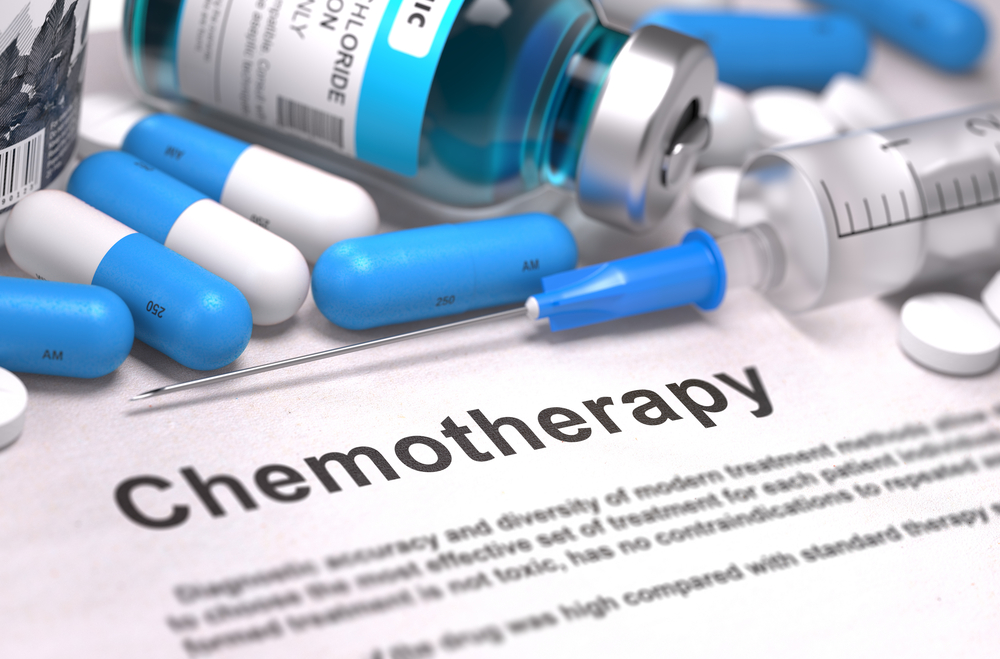
Chemotherapy is a type of cancer treatment that uses powerful drugs to destroy rapidly dividing cancer cells. It is one of the most common treatments for various types of cancer and can be used alone or in combination with other treatments such as surgery, radiation therapy, and targeted therapies.
Genetic testing and counseling for cancer patients are essential components of personalized medicine and comprehensive cancer care.
Hormone therapy, also known as endocrine therapy, is used in the treatment of hormone-sensitive cancers. It works by interfering with the body’s hormone levels or blocking the effects of hormones on cancer cells, thereby slowing down or stopping the growth of hormone-dependent tumors.
Immunotherapy, also known as biological therapy, is a type of cancer treatment designed to enhance the body’s natural defenses to fight cancer. It uses substances made by the body or in a laboratory to improve or restore immune system function.
The nutritional requirements are often compromised and the body is deprived of essential nutrients required during cancer treatment leading to malnutrition.
Oncology nutrition aims to prevent and manage malnutrition by providing tailored dietary guidance and interventions to provide the best possible quality of life and control symptoms that cause distress.
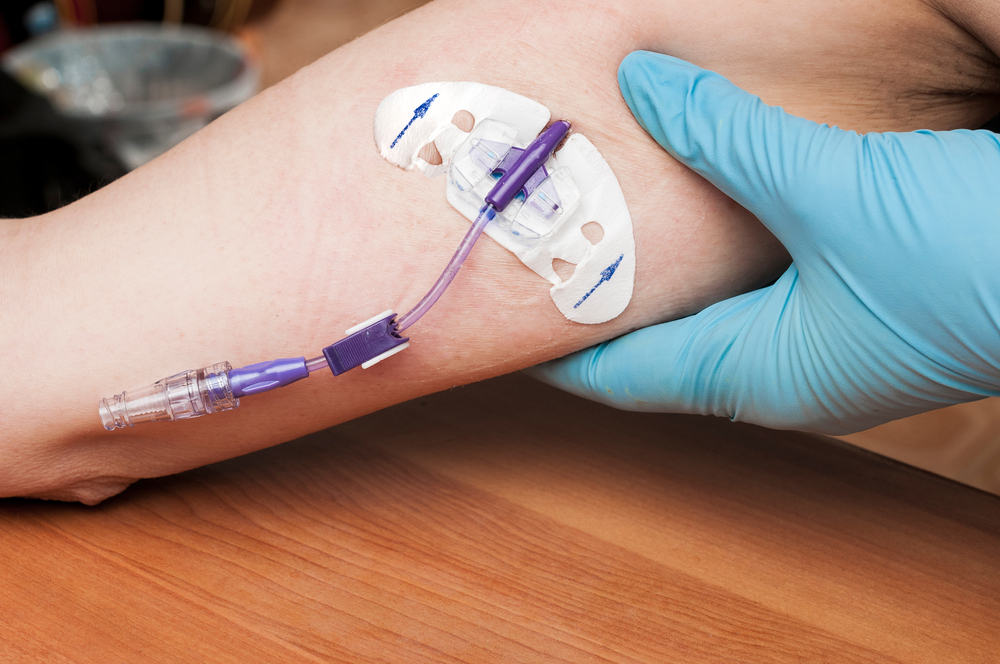
A peripherally inserted central catheter (PICC) is a common medical device used in cancer patients for various purposes such as chemotherapy administration, blood draws, and intravenous (IV) medication delivery.
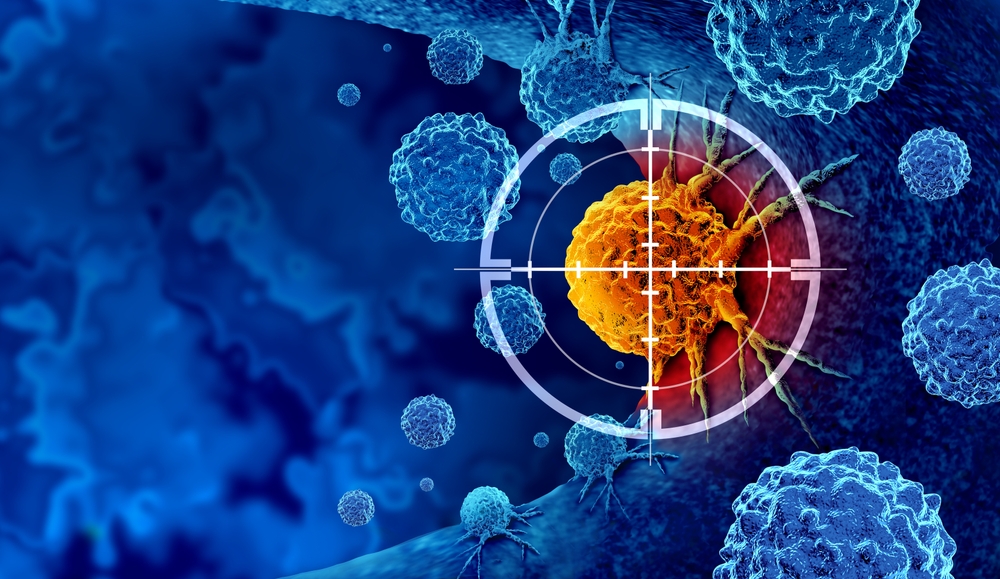
Targeted therapy is a type of cancer treatment to target proteins that control the molecular or genetic alterations driving the growth , divide , spread and survival of cancer cells.